Oct 2, 2026
How to Choose a Concrete Batching Plant for Your Project
Learn how to choose a concrete batching plant by considering project needs, site conditions, concrete requirements, maintenance and supplier support.
Choosing a concrete batching plant is an important decision for contractors, ready-mix producers and construction companies. The right equipment should match your project's production needs, site conditions and concrete requirements.
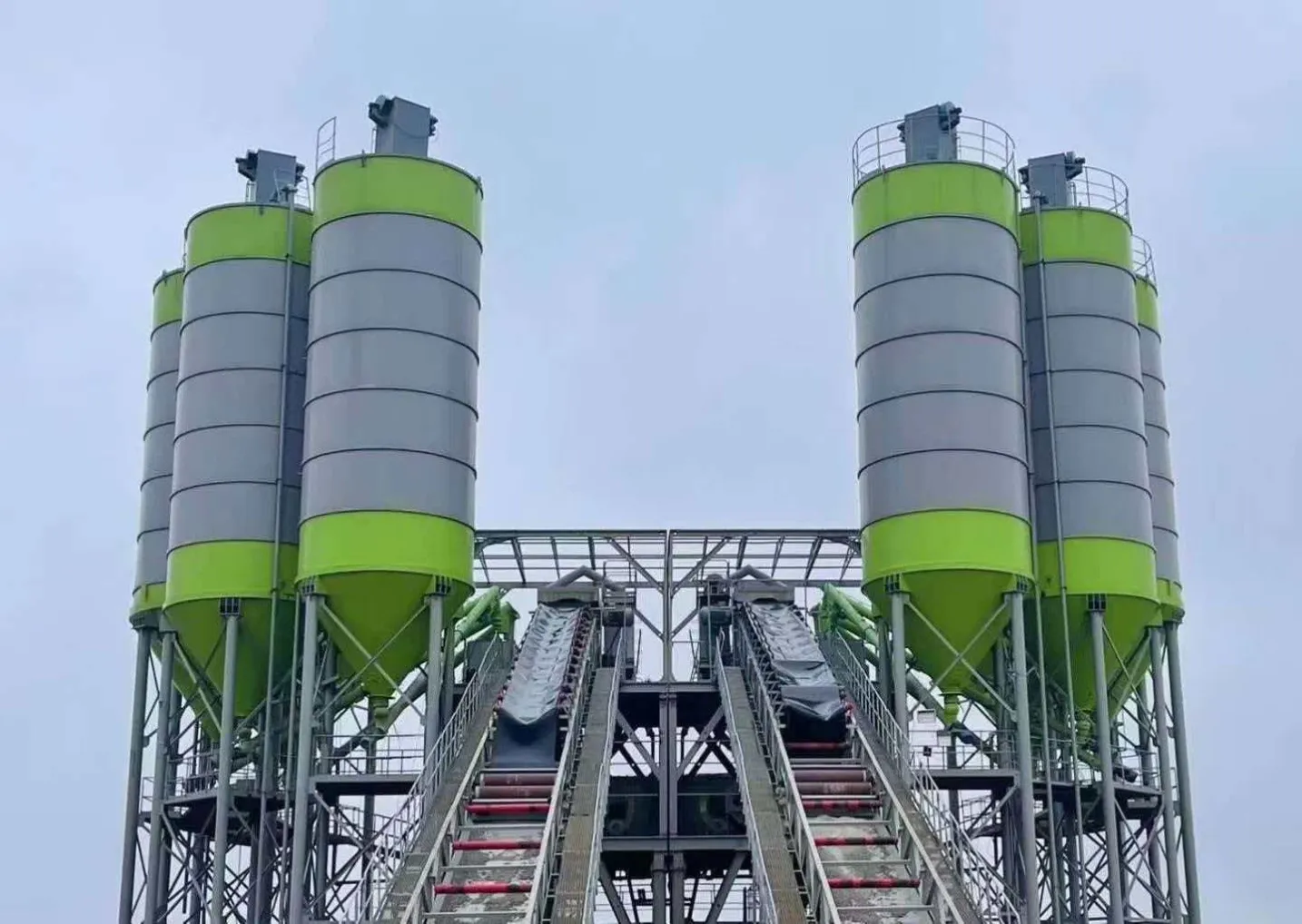
[Image: https://assets.laicms.com/3v5c81iyqd/dka2wo.webp, alt: "HZS120 used concrete batching plant equipment at an outdoor site", caption: "Equipment photo from the HZS120 product page."]
1. Estimate the production you need: Start with your project schedule and expected concrete demand. Consider how much concrete you need during a typical working day, how often the plant will operate and whether demand will change during different project stages. Ask suppliers to explain how they calculate the plant's stated output. Actual production can depend on the mix design, loading cycle, material supply, operator experience and site organization. Compare proposals using the same assumptions.
2. Check the site and layout: The available space affects the plant layout, aggregate storage, cement silo location, truck access and material handling. Before ordering, prepare basic site information, including the available area, ground conditions, vehicle access, utilities and any transport or installation restrictions. Share these details with the supplier early so the proposed layout can be checked against the actual site.
3. Match the equipment to your concrete requirements: Discuss the materials you plan to use, the concrete grades required, the production schedule and any special mix requirements. Ask the supplier to specify the proposed mixer and batching configuration, what materials the system can handle and which specifications are included in the quotation. Request written technical details so you can compare offers accurately.
4. Compare the full cost: The initial equipment price is only one part of the investment. Confirm what is included in each quotation, such as the main equipment, control system, cement silos, installation guidance, spare parts and after-sales support. Also consider operating costs, maintenance access, replacement parts and technical assistance. A detailed quotation helps prevent misunderstandings about what is included.
5. If you are considering used equipment: Ask for the manufacturing year and available operating or maintenance records. Request recent photos or videos and inspect key components such as the mixer, weighing systems, conveyor belts and control system. Where possible, arrange an inspection before purchase. Confirm which parts are included and whether replacement parts or technical support are available. The equipment's condition and configuration matter alongside its age.
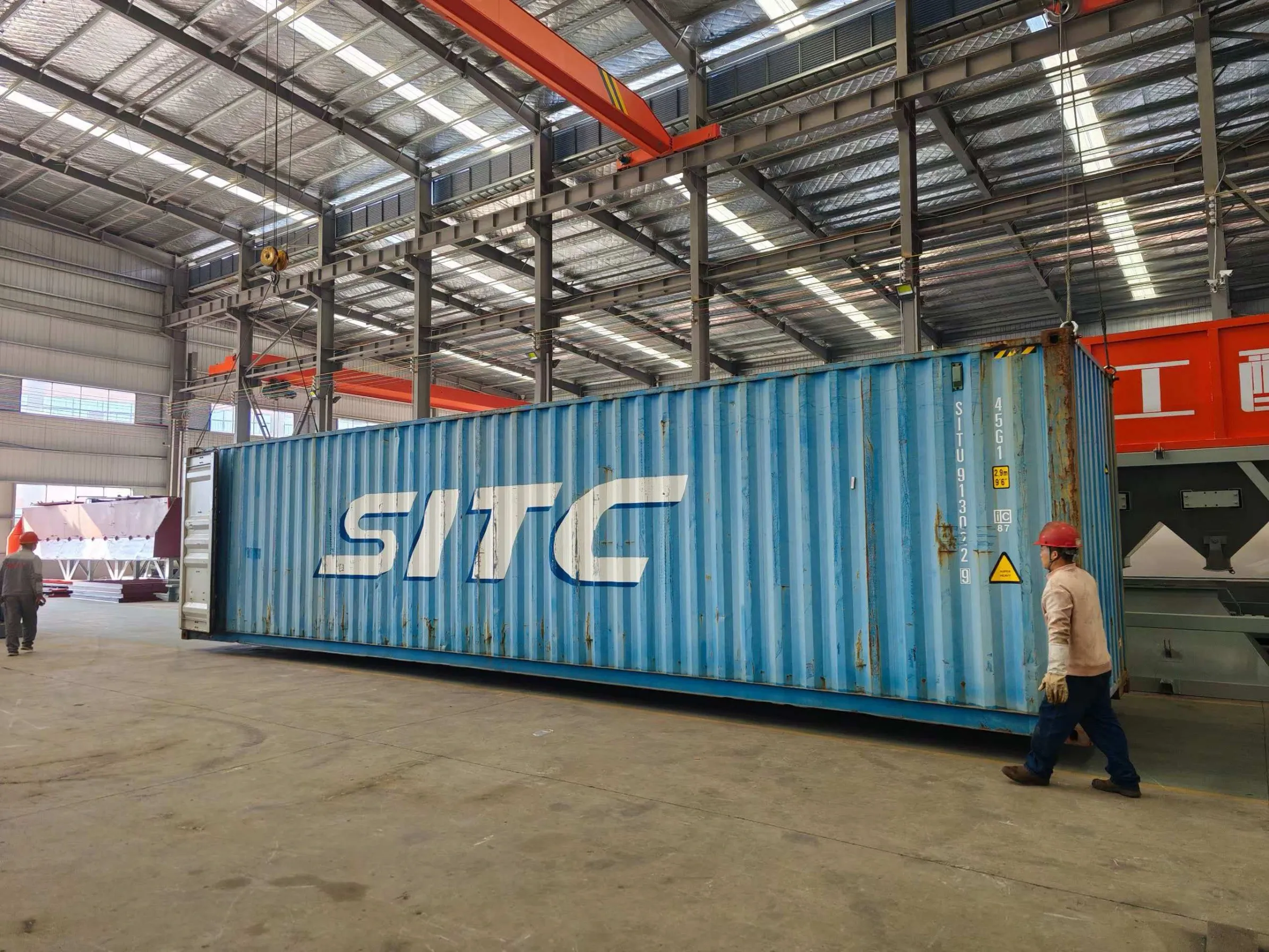
[Image: https://assets.laicms.com/3v5c81iyqd/1qnj8l.webp, alt: "Mixer and feed assembly detail from a concrete batching plant", caption: "Equipment detail from the HZS240 product page."]
6. Ask about installation and after-sales support: Before making a decision, confirm what installation support is available, what site information the supplier needs and how technical questions will be handled after delivery. Ask about spare-parts availability and how to request assistance if a component needs attention.
Checklist before requesting a quotation: Prepare your project location, expected schedule, estimated concrete demand, site conditions, concrete requirements, preference for new or used equipment, and installation or support needs. With this information, suppliers can recommend a configuration that better fits your project. Explore https://www.heshengfactory.com/products (anchor "concrete batching plants, mixers, cement silos and spare parts"), or https://www.heshengfactory.com/contact-us (anchor "contact Hesheng Machinery") with your requirements.